Introduction
A sprig of evergreen juniper can look like an ordinary woodland plant, yet in several European folk traditions it has carried a much deeper meaning. The phrase juniper blessing is commonly connected with protection, cleansing, household wellbeing and the Scottish practice known as saining. In that context, juniper was not simply decoration. It was part of a ritual language used to mark a threshold, a new year, a difficult transition or a desire for safety.
The historical record is more nuanced than modern spiritual posts often suggest. Juniper appears in Scottish, Irish and wider European folklore in different ways, and not every tradition used the plant for exactly the same purpose. Reliable historical sources especially connect juniper with Scottish saining, where smoke, water, prayer and protective gestures could be used to bless people, homes, livestock and property.
This guide explains what juniper blessing can mean, where the association comes from, why the evergreen plant became a symbol of endurance and protection, and how modern readers can appreciate the tradition without confusing folklore with proven medical or supernatural effects. It also separates documented Scottish customs from later spiritual interpretations.
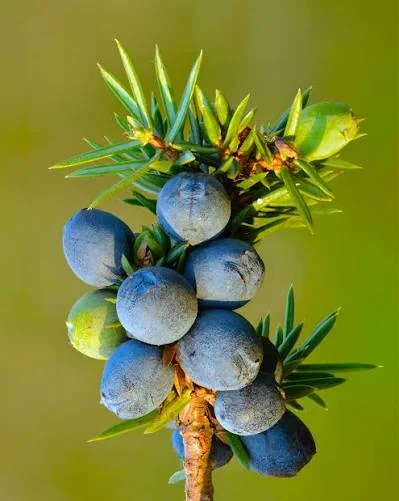
What Does Juniper Blessing Mean?
Juniper blessing is best understood as a modern phrase for a group of traditional ideas rather than the name of one universal ceremony. In Scottish folklore, the closely related word saining refers to blessing, protecting or consecrating. Juniper was one of the plants used in saining, especially in household and livestock customs, and smoke from the plant could form part of a ritual intended to protect against misfortune or harmful influences.
The meaning depends on context. In a historical Scottish setting, a juniper blessing may refer to a household rite involving smoke and water. In contemporary spiritual writing, the same phrase may be used more generally for intentions of protection, purification, resilience or renewal. Those modern interpretations can be meaningful to individuals, but they should not be presented as though every detail belongs to one continuous ancient tradition.
The safest way to understand the phrase is to treat it as symbolic language. Juniper has remained green through difficult seasons, grows in demanding environments and has a distinctive aromatic character. Those visible qualities helped make it a natural image for endurance, boundaries and cleansing in folklore. Symbolism explains why the plant became important without requiring a claim that it has scientifically proven supernatural powers.
Juniper Blessing and the Scottish Practice of Saining
Saining is particularly important when researching juniper blessing because it gives the phrase a documented cultural context. The Scots word refers to blessing, protecting or consecrating. Historical descriptions include water, smoke, ritual gestures and spoken or sung words, with juniper smoke appearing prominently in some Scottish customs.
In the Scottish Highlands, juniper was associated with New Year and Hogmanay customs. Historical sources describe juniper smoke being used in household and livestock protection rituals. Other accounts describe it being burned around houses and byres as part of seasonal protective rites. These records show that the plant had a place in community customs rather than only in private modern spirituality.
This historical detail matters because it shows that the plant was connected with practical household concerns as well as spiritual ideas. A household blessing was not necessarily an abstract meditation. It could be a community custom associated with the turning of the year, the protection of animals, the preparation of a home and the hope that the coming season would be safer and more prosperous.
Why Juniper Became a Symbol of Protection
Juniper has several physical qualities that lend themselves naturally to protective symbolism. Its foliage can be sharp and prickly, its scent is strong and resinous, and the plant can remain green in harsh conditions. Folklore often turns such visible characteristics into stories about boundaries and guardianship. In parts of Europe, juniper branches were placed over doors or used around homes and stables with the belief that unwanted influences could be kept away.
Historical reviews of juniper folklore record traditions in which the plant was regarded as a source of refuge and protection. They also document beliefs that branches or smoke could protect buildings from spirits, witches or other forms of misfortune. These are historical beliefs, not scientific findings, but they help explain the plant’s symbolic reputation.
Protection can also be read in a less supernatural way. A threshold marks the boundary between one space and another. Hanging an evergreen branch above a doorway can become a visible reminder that the household is entering a protected or renewed state. The object becomes part of a ritual of intention, memory and belonging.
Juniper Blessing as a Symbol of Cleansing
Cleansing is another major theme associated with juniper. Historical sources describe the aromatic smoke of juniper being used in purification customs in several European regions. In Scotland, smoke could be carried through houses and byres during seasonal saining. The association with cleansing helped connect juniper with fresh starts and the symbolic removal of unwanted influences.
It is important to distinguish ritual cleansing from medical disinfection. Historical people may have associated aromatic smoke with removing illness, bad influences or spiritual danger, but those beliefs should not be turned into modern medical advice. The symbolic value is different: smoke can mark the end of one period and the beginning of another, creating a sensory signal that a space has been intentionally reset.
That symbolism explains why juniper can appear in modern discussions of fresh starts. Someone moving into a new home, beginning a new year or closing a difficult chapter may find an evergreen plant useful as a physical reminder of renewal. The meaning comes from the ritual and intention, not from a scientifically established supernatural mechanism.
Juniper Blessing and the Meaning of Endurance
Evergreen plants naturally lend themselves to ideas of continuity because they retain their foliage when many surrounding plants become bare. Juniper adds another layer because it can grow in demanding environments and has a long history of human use. Modern symbolic interpretations therefore often connect it with endurance, patience and resilience.
An endurance blessing does not have to promise that life will become easy. A more grounded interpretation is that the plant represents the ability to remain rooted while circumstances change. That can make juniper an appropriate symbol for someone beginning again after loss, uncertainty, relocation or a demanding period of life.
This interpretation also avoids a common problem with spiritual content: promising certainty where none exists. A symbolic blessing can encourage a person without claiming to control events. Juniper can stand for steadiness, while the actual work of recovery, planning, relationships and decision making still belongs to the person.
Juniper Blessing in European Folklore
Juniper folklore extends beyond Scotland. Historical accounts describe beliefs involving homes, stables, thresholds, illness, travel and protection from harmful forces. European traditions included juniper smoke and branches in customs intended to repel witches, demons or other dangers. Such records show how strongly the plant became associated with protection.
The Woodland Trust notes that juniper was considered a deterrent against the Devil and witches in some areas and was hung over doorways around May Day or burned at Halloween. It also records symbolic associations involving juniper berries, including ideas of honour and prosperity. Interpretations varied by region, which is why juniper folklore is better described as a collection of traditions than a single fixed belief system.
This variation is part of what makes the plant interesting. The same evergreen could represent refuge in one story, protection in another and seasonal renewal somewhere else. The common thread is the idea of a hardy plant standing at the edge between danger and safety, ordinary life and ritual life, or one season and the next.
Juniper Blessing at the Threshold
Doorways have special symbolic importance in many folk traditions because they are literal boundaries. A person crosses a threshold when entering a home, leaving a home or beginning a new stage of life. Juniper branches were sometimes hung above doors and windows in European and Scottish folklore, giving the plant a visible role as a guardian of the household boundary.
A modern symbolic interpretation can use the same idea without claiming that a branch physically blocks supernatural beings. A juniper sprig at an entryway can simply remind household members of an intention such as peace, hospitality, safety or a fresh start. The object becomes a cue for behavior and attention.
For example, someone moving into a new home might place a correctly identified juniper branch near the entrance while saying a personal blessing for kindness, stability and good relationships. The meaningful part is the deliberate transition. The plant provides a natural symbol for that moment.
Juniper Blessing for a New Beginning
Because saining was associated with seasonal turning points, juniper can work symbolically with the idea of a new beginning. Historical Scottish customs especially connect juniper with Hogmanay and New Year protection. Modern readers may extend that symbolism to a move, a new job, the start of a relationship, recovery after a difficult period or the beginning of a personal project.
A new beginning blessing can be intentionally simple. The purpose is not to create a complicated ritual but to give a transition a clear beginning. You might hold a juniper sprig, reflect on what you are leaving behind, name what you want to protect and choose one practical action that supports the new chapter.
That final practical action is worth emphasizing. Symbolic rituals are most useful when they accompany real choices. If the blessing represents a healthier home, also establish healthy boundaries. If it represents a new career, make the application or learn the skill. The plant can mark the intention, while everyday actions give that intention substance.
Juniper Blessing for Home Protection
The home is one of the strongest settings for juniper blessing in the historical record. Scottish saining customs could involve houses, byres and livestock, while other European traditions used juniper around doors and buildings as a protective symbol. The idea was tied to the wellbeing of the whole household.
A modern home blessing can borrow the symbolic structure without reproducing hazardous smoke practices. Place a correctly identified juniper branch where it is safe, then use words that reflect your values. A simple statement might ask for peace in the home, patience among household members, protection from avoidable harm and strength during difficult days.
If you want the ritual to be more meaningful, connect it with a practical home reset. Open the windows when appropriate, tidy one neglected area, repair a small problem or write down one household intention. The combination of physical action and symbolic language creates a clearer sense of renewal than symbolism alone.
A Simple Symbolic Juniper Blessing
There is no single universal juniper blessing prayer that belongs to every tradition. Historical saining customs varied by place, time and community, and modern spiritual practices also differ. For that reason, it is better to create a personal blessing than to present a newly written text as an ancient traditional prayer.
One simple modern wording could be: May this home be a place of peace, may those who live here have strength for difficult days, may kindness guard every threshold, and may wisdom guide every new beginning. A person can speak these words while holding or displaying a juniper sprig as a symbolic reminder of protection and endurance.
The wording can be changed to fit a secular, Christian, Pagan, spiritual or entirely personal worldview. What matters is honesty about the source. If the words are your own, call them a personal blessing. If you are studying a historical prayer or Gaelic tradition, identify that tradition instead of blending it with modern inventions.
Juniper Blessing and Water in Saining
Juniper was not the only element used in Scottish saining. Historical descriptions also mention water, and some customs involved blessed or specially collected water being sprinkled around a house, people or animals. The combination of water and juniper illustrates how cleansing and protection could be represented through more than one sensory element.
Water can symbolize renewal because it washes, refreshes and moves. Juniper can symbolize endurance because it remains evergreen and has a long folklore history. Together, they create a useful symbolic contrast: one represents cleansing and movement, while the other represents continuity and resilience.
For a modern personal ritual, there is no need to reproduce historical instructions literally. A bowl of clean water and a small, correctly identified juniper sprig can simply serve as visual reminders of those themes. If the ritual is connected to a specific religious or cultural tradition, learn that tradition from appropriate sources rather than inventing details and calling them historical.
Juniper Blessing and Seasonal Traditions
Seasonality is central to many juniper customs. Historical scholarship describes saining as part of Yule season traditions in Scotland, while other sources connect juniper with Hogmanay and seasonal household rites. These practices show how the plant could help mark the transition from one year to another.
Seasonal symbolism can be useful even outside Scotland. The end of a year naturally invites reflection on what should continue and what should change. Juniper’s evergreen character fits that moment because it visually suggests continuity while the calendar turns forward.
A seasonal blessing can therefore focus on gratitude, protection and preparation. Instead of asking a plant to guarantee a particular outcome, use the ritual to identify what you want to carry into the next season and what you are ready to release. That makes the practice reflective rather than predictive.
Juniper Blessing and Christian Associations
Some European folklore surrounding juniper developed around Christian stories as well as older folk beliefs. Historical reviews record a tradition that juniper provided refuge during the Flight into Egypt and was therefore associated in later folklore with protection. Such stories belong to the history of belief and should be distinguished from established biblical text.
For Christian readers, the plant can function as a reminder of refuge, care and divine protection without claiming that juniper itself possesses divine power. A person may use the plant as a symbol while directing prayer toward God. This distinction keeps the botanical symbol in its proper place.
Different Christian communities may have different views about folk practices, herbs and symbolic objects. If you are part of a particular church or tradition, its own guidance should take priority over a generalized internet interpretation of juniper folklore.
Juniper Blessing in Modern Spiritual Practice
Contemporary spiritual writers often associate juniper with protection, purification, resilience and boundaries. Those associations are consistent with themes found in older folklore, but modern systems can combine ideas from different cultures and periods. It is therefore important to label modern correspondences as modern rather than presenting them as universal historical facts.
A modern practitioner might use a juniper image, a dried botanical specimen or a written intention as a symbolic object. A symbolic approach also avoids turning folklore into medical advice or encouraging unnecessary exposure to smoke. The practice can remain meaningful without claiming that the plant itself has supernatural powers.
The strongest modern approach is respectful and specific. Learn where a practice comes from, credit the culture or tradition when appropriate and avoid combining unrelated Indigenous, Scottish, European or contemporary practices into one imaginary ancient ritual. Cultural context makes spiritual practice more meaningful, not less.
Safety Before Using Juniper in a Blessing
Juniper folklore often involves smoke, but historical use does not automatically make a practice safe. Saining could produce substantial smoke, and historical accounts record respiratory danger associated with heavy indoor fumigation. Modern readers should not treat historical fumigation as a recommendation for enclosed spaces, children, pets or people with respiratory conditions.
There is also a difference between a correctly identified juniper species and an unidentified plant that merely looks similar. Do not ingest berries, prepare herbal remedies or use essential oils based only on a photograph or a general internet article. The Herb Society notes that medicinal use has specific cautions, including concerns related to pregnancy and certain kidney conditions.
If your goal is purely symbolic, there is usually no reason to burn or consume the plant. A photograph, drawing, responsibly sourced dried specimen or living plant can represent the same idea of endurance and protection without creating unnecessary exposure to smoke or plant preparations.
What Juniper Blessing Does Not Mean
Juniper blessing should not be presented as a scientifically proven method for removing curses, treating disease, controlling another person’s behavior or guaranteeing good fortune. Historical folklore records what people believed and practiced; it does not prove that supernatural effects occurred. This distinction is essential when writing about spiritual traditions responsibly.
Likewise, juniper should not be confused with every form of smoke cleansing found online. Scottish saining has its own history, language and regional context. It is more accurate to describe documented Scottish practices as saining and then explain how modern writers may use the broader phrase juniper blessing.
Finally, a blessing is not a substitute for practical help. If someone is ill, seek appropriate medical care. If a home is unsafe, address the physical hazard. If a relationship is harmful, establish boundaries or seek support. A symbolic ritual can accompany those actions, but it should not replace them.
How to Create a Personal Juniper Blessing Respectfully
Start with the meaning you want the ritual to carry. Protection, endurance, renewal and peace are all reasonable symbolic themes because they connect with documented folklore around juniper. Then decide whether you are creating a personal practice or intentionally following a historical tradition. Do not present a personal invention as an ancient Scottish rite.
Choose a safe representation of juniper. A photograph, drawing, living plant or responsibly obtained branch can work. If you use a physical specimen, identify it correctly and avoid ingestion or burning unless you have reliable species specific knowledge and appropriate safety conditions. For most symbolic purposes, no combustion is necessary.
End with a practical intention. If your blessing is for a home, choose one action that improves the household. If it is for resilience, choose one habit that supports your wellbeing. If it is for a new beginning, take one concrete step toward the future. The symbolic plant marks the intention, while the action makes it real.
Juniper Blessing as a Symbol of Resilience
Among the many meanings attached to juniper, resilience may be the most useful for a modern audience. The plant’s evergreen appearance and association with difficult landscapes make it an easy symbol for staying grounded through change. Folklore adds the themes of protection and refuge, while seasonal traditions add the idea of beginning again.
A resilience blessing does not deny hardship. It can acknowledge that difficult seasons exist while expressing hope that the person, family or community can meet them with steadiness. That is a more realistic interpretation than promising that a ritual will prevent every problem.
In that sense, juniper works almost like a visual sentence: remain rooted, protect what matters and keep moving through the season. The plant does not need to perform a miracle for the symbol to be useful.
Final Thoughts
Juniper blessing is best understood as a symbolic phrase rooted in a much older body of folklore, especially Scottish saining traditions in which juniper could be used for blessing and protection. The plant also appears in wider European stories involving thresholds, homes, seasonal customs, refuge and purification. These traditions are culturally interesting because they reveal how people used the natural world to express hopes for safety and renewal.
For modern use, context matters. You can appreciate juniper as a symbol of protection, endurance and fresh beginnings without claiming that every online ritual is historically ancient or scientifically proven. If you are drawing from Scottish tradition, learn about saining as a Scottish practice rather than turning it into a generic internet cleansing trend.
A thoughtful juniper blessing can ultimately be very simple: recognize what you want to protect, acknowledge what you want to leave behind and choose one real action that supports the future you hope to build. The evergreen branch can serve as a reminder, while your choices carry the intention forward.
FAQs
What is a juniper blessing?
Juniper blessing is a modern phrase often used for symbolic practices involving juniper and intentions of protection, cleansing, endurance or renewal. It is closely related to historical Scottish saining, a practice involving blessing or protecting people, homes, livestock or property. The exact ritual varies by tradition and should not be treated as one universal ceremony.
What does juniper symbolize spiritually?
Juniper is commonly associated with protection, purification, endurance, resilience and boundaries. These meanings come from a mixture of historical folklore and modern spiritual interpretation. The symbolism varies by region, so it is better to describe these as recurring associations rather than fixed universal meanings.
What is saining with juniper?
Saining is a Scots term associated with blessing, protecting or consecrating. Historical Scottish practices could use water, smoke, prayers and ritual gestures, with juniper smoke playing an important role in some household and livestock customs. Sources connect saining particularly with seasonal and New Year traditions.
Is juniper blessing a Scottish tradition?
The phrase itself is modern and can be used broadly, but the Scottish tradition most closely connected with it is saining. Historical sources document the use of juniper in Scottish protective and cleansing customs, especially around Hogmanay and other seasonal occasions.
Why was juniper burned in Scotland?
Historical accounts describe juniper being burned as part of saining and seasonal protective customs. The smoke was associated with purification and protection of homes, livestock and household members. These were cultural and spiritual beliefs, not scientifically established supernatural effects.
Can I use juniper for a home blessing?
Yes, juniper can be used as a symbolic object for a personal home blessing. A branch, photograph or drawing can represent protection and renewal. If you follow a specific historical or religious tradition, learn its practices from appropriate sources rather than assuming every modern internet ritual is traditional.
Does juniper protect against negative energy?
Protection from negative or harmful influences is a common symbolic association in juniper folklore. However, there is no scientific evidence that juniper can physically remove supernatural negative energy. It can still function as a meaningful symbol in a personal spiritual practice.
Can juniper be used for cleansing?
Juniper has a long history of association with ritual cleansing, especially through smoke in European and Scottish folklore. Symbolic cleansing does not equal medical disinfection. For a modern practice, a non smoke representation such as a branch, image or written intention is often the simplest option.
Is burning juniper safe indoors?
Burning plant material indoors can create smoke and respiratory irritants. Historical saining practices could produce very large amounts of smoke, and historical sources record respiratory danger from heavy indoor fumigation. Do not treat traditional burning practices as a general safety recommendation.
Can I drink juniper tea for a blessing?
A symbolic blessing does not require drinking juniper. Juniper species and preparations can have safety considerations, and medicinal use may be unsuitable for some people. Do not ingest a plant or prepare a remedy based only on an online photograph or general folklore article.
What does juniper mean at a doorway?
A juniper branch at a doorway can symbolize protection and the guarding of a household boundary. Historical European folklore includes traditions of placing juniper above doors or windows. In a modern symbolic practice, the doorway can represent the transition between the outside world and a peaceful home.
What does juniper symbolize in a new beginning?
Juniper can symbolize resilience, continuity and protection during a new beginning. Its evergreen nature makes it a natural image for carrying strength into a new season. The symbolism is most useful when paired with a practical action that supports the change you want to make.
Is juniper mentioned in the Bible?
Juniper is associated with biblical and later Christian folklore, including traditions about refuge during the Flight into Egypt and Elijah resting under a tree identified in some translations as juniper. The exact botanical identification and later folklore should not be treated as identical to established biblical teaching.
What is a simple juniper blessing prayer?
There is no single universal juniper blessing prayer. A personal blessing can be more honest than presenting newly written words as an ancient prayer. For example, you might ask for peace in the home, strength during difficulty, wisdom in decisions and protection for those who live there.
Can I use a picture of juniper instead of the plant?
Yes. If your goal is symbolic reflection, a photograph or botanical illustration can represent juniper without requiring harvesting, burning or handling the plant. The symbolic meaning comes from the intention you attach to the image rather than from the physical presence of a living branch.
When is a good time for a juniper blessing?
Historical Scottish saining was associated with seasonal occasions including Hogmanay and New Year. Modern personal practice can use any meaningful transition, such as moving home, beginning a project, starting a new job or closing a difficult chapter. There is no universal required date.
Is juniper associated with protection from evil?
Yes. European and Scottish folklore includes beliefs that juniper branches or smoke could ward off witches, evil spirits and misfortune. These are historical beliefs rather than scientifically demonstrated effects. The protection theme remains one of the most persistent symbolic meanings associated with juniper.
What is the difference between juniper blessing and saining?
Saining is a documented Scottish term and tradition connected with blessing, protection and consecration. Juniper blessing is a broader modern phrase that can describe symbolic practices involving juniper. Using the specific term saining is more accurate when discussing the Scottish cultural tradition.
Can a juniper blessing be secular?
Yes. You can treat the practice as personal reflection rather than a religious ritual. Juniper can symbolize endurance, boundaries, renewal or care for the home. A secular blessing might simply state the values you want to cultivate and then connect them with a practical action.
What is the main meaning of a juniper blessing?
The strongest recurring theme is protection combined with cleansing and resilience. Historical Scottish saining gives the plant a documented role in blessing and safeguarding households and livestock, while wider folklore adds ideas of refuge, boundaries and seasonal renewal.